Where Everything Meets Together
Nepal is a small country on the map but very big in feeling. Nature is everywhere. Culture is living daily. Mountains stand like God watching people. When travelers come here, they do not just see a view; they feel something deep. Nepal gives forest, river, snow, village, prayer flags, old trails, smiling people, quiet moments, loud festivals, and long mountain silence all together. This is why Nepal is not only a trekking place; it is a life experience.
In Nepal, walking is slow. Life is slow. Time feels different. You pass terrace fields, stone houses, and monasteries; the sound of yak bells and prayer wheels turning by wind. Mountains look close but are still far. Every step gives a different story. Some days are easy, some days are hard. But the heart is always full.
Treks like Mardi Himal Trek, Langtang Valley Trek, Manaslu Circuit Trek, and Everest Panorama Trek show the perfect balance. Not too crowded. Not too empty. Not only mountains, not only culture. Everything mixed nicely. These treks are not races. They are on a journey. For people who want nature, culture, and mountains together, Nepal is the best answer.
Nepal: A Land Where Nature Still Breathes
Nature in Nepal is not controlled. It is free. Forests grow wild. Rivers change paths. Hills rise and fall. Snow comes and goes. You walk under big rhododendron trees, and then suddenly an open valley appears. You cross a wooden bridge with a river shouting below. You feel small but happy.
From low green hills to high white mountains, Nepal changes fast. One day you see a banana tree, the next day snow. Birds, animals, and flowers all change with altitude. Nature is alive here. It talks to you without words.
This is why trekking in Nepal is different from hiking anywhere else. It is not just exercise. It is meeting nature face-to-face.
Culture That Walks With You on the Trail
Culture in Nepal is not museum culture. It is a living culture. People pray every morning. Bells ring. Butter lamp light. Old women spin prayer wheels. Children walk to school on a mountain path.
On a trek, you sleep in a teahouse run by a local family. You eat food they cook daily. You hear their stories. Culture is simple but deep. Buddhism and Hinduism mix together naturally. No border between religion and life.
You walk through Gurung village, Tamang village, Sherpa village, and Tibetan-style settlement. Each place has different houses, dress, food, and beliefs. Culture changes slowly with steps.
Mountains: Not Just High, But Meaningful
Mountains in Nepal are not just tall rock. They are sacred. People respect them. Locals do not say the mountain name loudly sometimes. They believe mountains have souls.
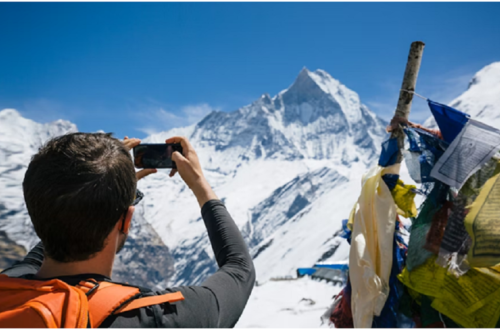
When you see Annapurna, Manaslu, Langtang Lirung, and Everest, you feel something inside. Silence became heavy. Thought, slow down. Ego becomes small. This is mountain power.
Mardi Himal Trek: Quiet Beauty Near Big Mountains
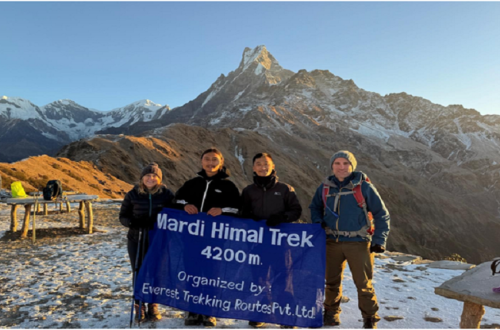
The Mardi Himal Trek is short but very beautiful. It stays near the Annapurna region but is still less crowded. This trek is perfect for people who want mountain views, forest walks, and peaceful trails.
The trail starts through a green forest. Rhododendron trees cover the sky. Sometimes mist comes. Sometimes sun breaks through leaf. You walk on a narrow ridge. On one side a deep valley, on the other side a mountain wall.
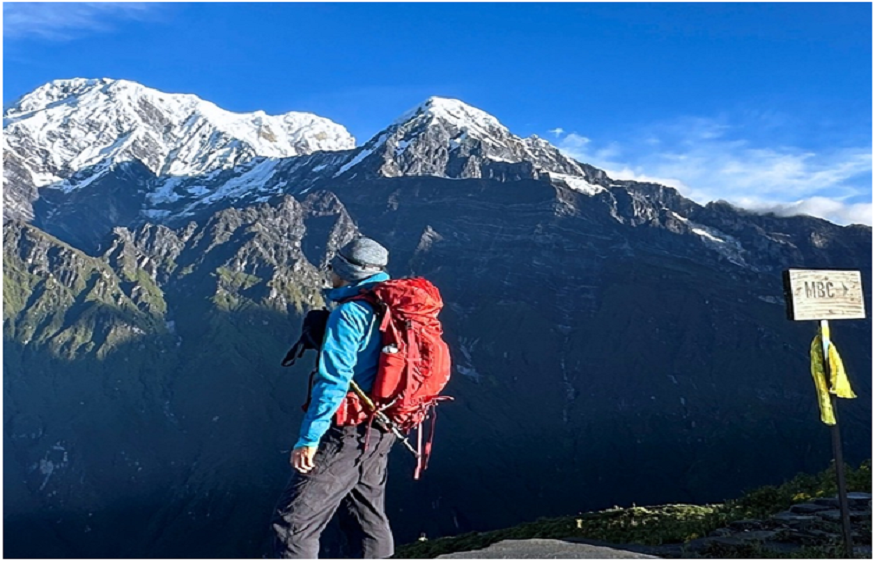
As you go higher, trees disappear slowly. Landscape change. Snow appears. Mardi Himal Base Camp is close to Machapuchare. The mountain looks sharp, clean, and unreal.
Villages on the Mardi trail are small. People are friendly. Life is simple. Culture feels pure. You sit in a teahouse, drink hot tea, and watch the sunset change the mountain color. No rush. No noise.
The Mardi Himal Trek shows that you do not need a long time to feel a deep mountain experience.
Langtang Valley Trek: Mountains and Memories Together
The Langtang Valley Trek is special. It is close to Kathmandu but still wild. The valley was hurt by an earthquake, but people rebuilt. Strength is everywhere.
The trail follows the river. You pass a forest, then an open valley. Langtang Lirung dominates the sky. Yaks graze freely. Prayer flags wave.
Tamang culture is strong here. Language, dress, and food are different. People smile easily. They share tea, stories, pain, and hope. The monastery stands quietly on the hill.
Langtang village was destroyed, but a new village rose. This shows human spirit. Trekking here is not only nature; it is emotion.
Kyanjin Gompa is a highlight. Surrounded by peaks. Peaceful place. You sit, breathe, and think. Mountains here feel close, friendly, and protective.
The Langtang Valley Trek gives a mix of beauty and meaning.
Manaslu Circuit Trek: Wild, Cultural, and Powerful
The Manaslu Circuit Trek is more challenging. More remote. Less crowded. This trek shows raw Nepal.
The trail goes around Mount Manaslu, one of the world’s highest peaks. You walk through deep gorges, hanging bridges, dry valleys, and snow passes. Landscape change is dramatic.
Villages here are influenced by Tibetan culture. Stone house, mani wall, prayer flags everywhere. People live simple lives. They farm, trade, and pray.
Larke Pass is a big challenge. High, cold, windy. But crossing it gives a strong feeling of achievement. Mountains around look massive. Silence is deep.
The Manaslu Circuit Trek needs patience. But the reward is huge. Nature is untouched. Culture is strong. Mountains feel wild and real.
Everest Panorama Trek: Everest Feeling Without Extreme Hardship
The Everest Panorama Trek is perfect for people who want the Everest experience but not a long, hard trek. It gives a mountain view, Sherpa culture, and a comfortable pace.
The trail goes through famous villages like Namche Bazaar and Tengboche. You see Everest, Lhotse, Ama Dablam, and Thamserku. The view is big.
Sherpa culture is rich. Monastery, prayer, and mountain respect are strong. Tengboche monastery is a spiritual center. When monks chant, mountains listen.
This trek is not a rush to base camp. It is slow enjoyment. You sit in the bakery, drink coffee, and watch the mountain glow.
The Everest Panorama Trek shows Everest is not only about altitude. It is about people, belief, and daily life in the highlands.
Food, Tea Houses, and Simple Comfort
On all these treks, food is simple but warm. Dal bhat gives energy. Noodles, soup, and potatoes taste better in cold air. Tea warms hands and heart.
Tea houses are basic. Bed, blanket, light. But hospitality is strong. People care. They ask about your walk, your country, and your feelings.
Comfort is not a luxury. Comfort is warmth, safety, and a smile.
Best Time to Feel This Perfect Mix
Spring and autumn are best. Sky clear. Mountain sharp. Flowers bloom in spring. Autumn gives golden color and festival time.
Winter is quiet and cold. Summer is green but rainy. Each season gives a different mood.
Why These Four Treks Make Perfect Balance
Mardi Himal gives short peaceful beauty.
Langtang gives emotion and culture.
Manaslu gives adventure and raw life.
Everest Panorama gives an iconic mountain feeling.
Together, they show Nepal full face. Not only one story. Many stories.
Conclusion: Nepal Is Not Just Seen, It Is Felt
Nepal gives a perfect mix of nature, culture, and mountains. These treks are proof. Walking here changed something inside. You slow down. You listen. You breathe deeper.
Mountains teach humility. Culture teaches kindness. Nature teaches patience.
When you leave Nepal, you take photos. But more important, you take feeling. And that feeling stays a long time.
Contact to Escape Himalaya
You Can contact Escape Himalaya by using our email address [email protected] We are available at any time. Escape Himalaya will deliver you price-worthy services, professional guides, trained staff, and assistance on every trip.